 how-to
How to Improve Drainage Around a Gravel Driveway
Last Updated: October 26, 2026
Quick Summary
How to improve drainage around a gravel driveway involves moving water away from the driveway surface by creating slope, adding drainage paths like swales or French drains, or combining methods. Start by observing where water pools during rain, then choose the approach that fits your property's layout and drainage challenges.
- A French drain requires 12-18 inches deep trench with perforated pipe sloped at least 1 inch per 50 feet
- A swale should be dug at least 6 inches deep with gently sloped sides to catch and redirect water
- Adding crown to a driveway involves removing top 2-3 inches of gravel and raking the base into a slight hump
- French drains should extend 25-50 feet away from the driveway or to a natural drainage area
- Landscape fabric prevents soil from clogging drainage systems and should overlap at seams by at least 6 inches
Table of Contents
- Why Drainage Fails Around Gravel Driveways
- How to Improve Drainage Around a Gravel Driveway
- How to Stop a Gravel Driveway From Washing Out
- Installing a French Drain Beside Your Driveway
- Creating a Driveway Crown for Drainage
- Building a Swale for Driveway Drainage
- What You'll Need Before You Start
- Common Mistakes to Avoid
- Frequently Asked Questions
Why Drainage Fails Around Gravel Driveways
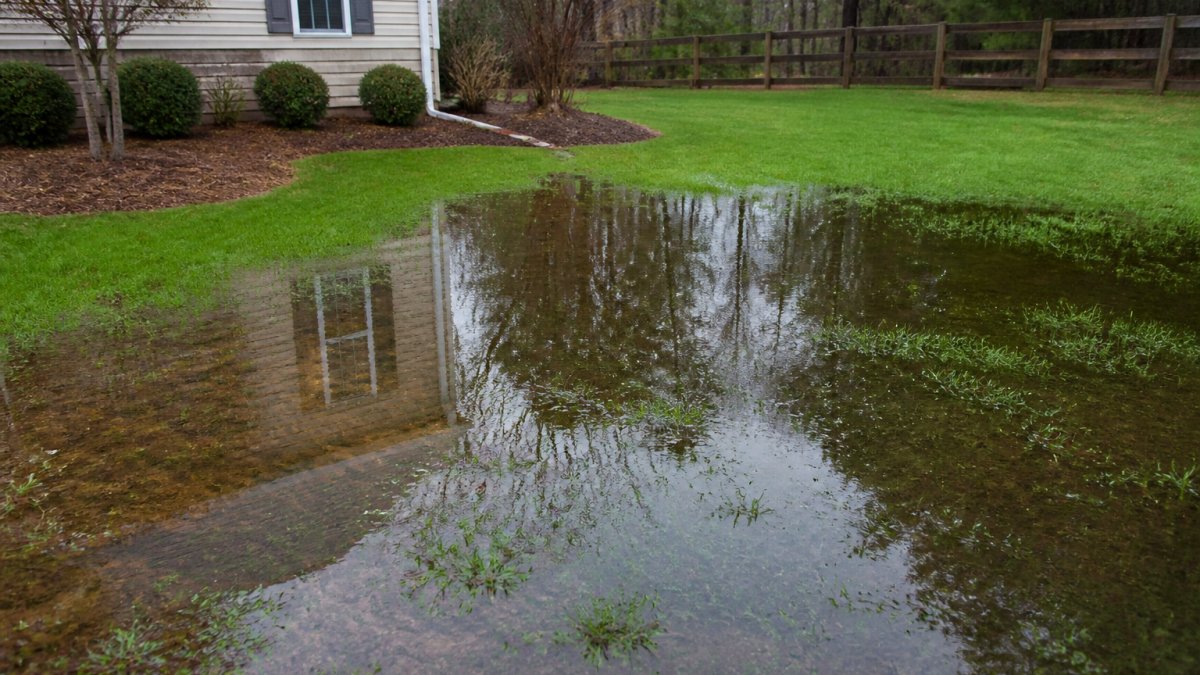
Water doesn't drain well around gravel driveways for a few key reasons. The gravel itself shifts and settles over time, creating low spots where water pools. Heavy rain pushes gravel downhill, leaving bare patches and ruts. Clay soil underneath the gravel holds water instead of letting it soak through.
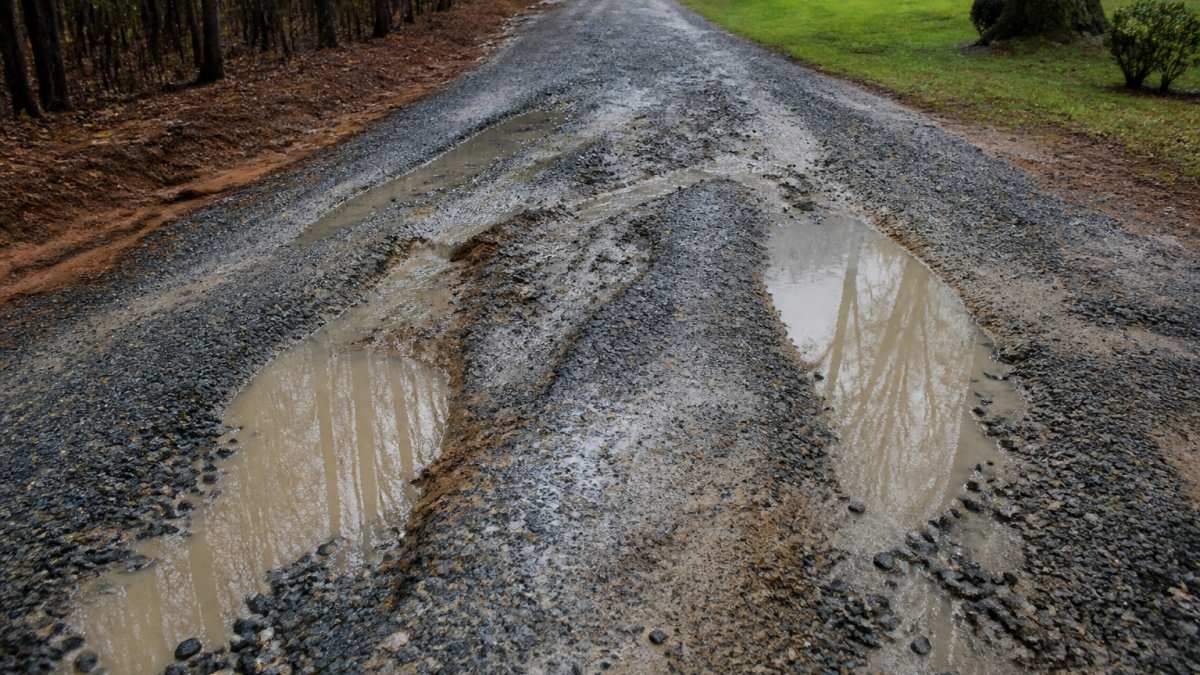
Poor drainage around your driveway causes bigger problems fast. Water seeps under the gravel and softens the base layer. This leads to potholes, washouts, and costly repairs.
The good news is that learning how to improve drainage around a gravel driveway is doable without major excavation.
How to Improve Drainage Around a Gravel Driveway
To improve drainage around a gravel driveway, move water away from the driveway surface. If you need professional assistance, you can explore driveway installation and repair services in your area. You can do this by creating slope, adding drainage paths, or both. Start by checking where water actually goes when it rains.
Walk your driveway after a storm. Watch how water flows. Does it pool near the edges? Does it run down the center? Does it collect on one side? This tells you where to focus your drainage work.
Here are the main approaches:
- Add slope to the driveway surface, tilt the driveway so water runs off the sides
- Build a swale beside the driveway, a shallow trench that catches and redirects water
- Install a French drain, a buried pipe system that moves water away underground
- Combine methods, use slope plus a swale for tough drainage problems
Each method suits different situations. Slope can be used for driveways with room on the sides. A swale can be used when you have low-lying areas nearby. A French drain can be used when water needs to travel far from your driveway.
How to Stop a Gravel Driveway From Washing Out
Washout happens when heavy rain overwhelms your driveway's drainage. Water carves channels through the gravel. Sediment washes downhill. Your driveway develops deep ruts and bare spots.
To stop washout, you need to slow the water down and give it a clear path away from the driveway.
Here's what stops washout:
- Proper crown, the driveway is higher in the middle, lower on the sides
- Swales on both sides, shallow trenches catch water before it tears through gravel
- Culverts or pipes, move water across low spots without pooling
- Compacted base layer, a firm foundation resists erosion
- Regular maintenance, raking and regrading after storms
A flat surface can let water pool and create channels. Read our guide on how to restore a gravel driveway after heavy rain for step-by-step washout repair.
Installing a French Drain Beside Your Driveway
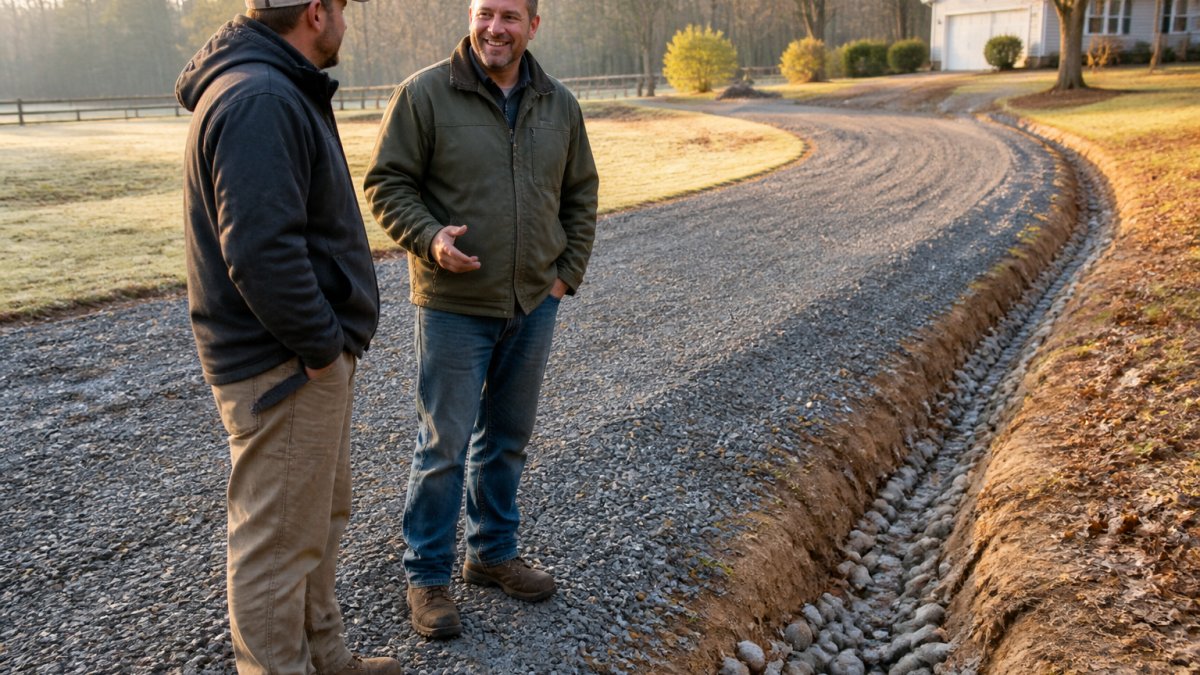
A French drain is a buried pipe wrapped in gravel that captures water and moves it away.
What you'll need:
- Perforated drain pipe (4-inch PVC is standard)
- Landscape fabric
- Drainage gravel (crushed stone)
- A shovel and wheelbarrow
- Level or transit to check slope
Step 1: Dig the trench (Time: 2-4 hours)
Dig a trench along the side of your driveway where water pools. Make it 12-18 inches deep and 6-12 inches wide. The trench should slope downhill at least 1 inch per 50 feet of length. Use a level to check your slope as you dig.
Step 2: Lay landscape fabric (Time: 30 minutes)
Line the bottom and sides of the trench with landscape fabric. This keeps soil from clogging the drain pipe. Overlap the fabric at seams by at least 6 inches.
Step 3: Add gravel and pipe (Time: 1-2 hours)
Pour 2-3 inches of drainage gravel in the bottom of the trench. Lay the perforated drain pipe on top, with holes facing down. The pipe should slope downhill. Cover the pipe with 4-6 inches more gravel.
Step 4: Fold fabric and finish (Time: 1 hour)
Fold the landscape fabric over the top of the gravel. This keeps dirt from mixing with the drainage layer. Cover with soil or topsoil. You can plant grass or add mulch on top.
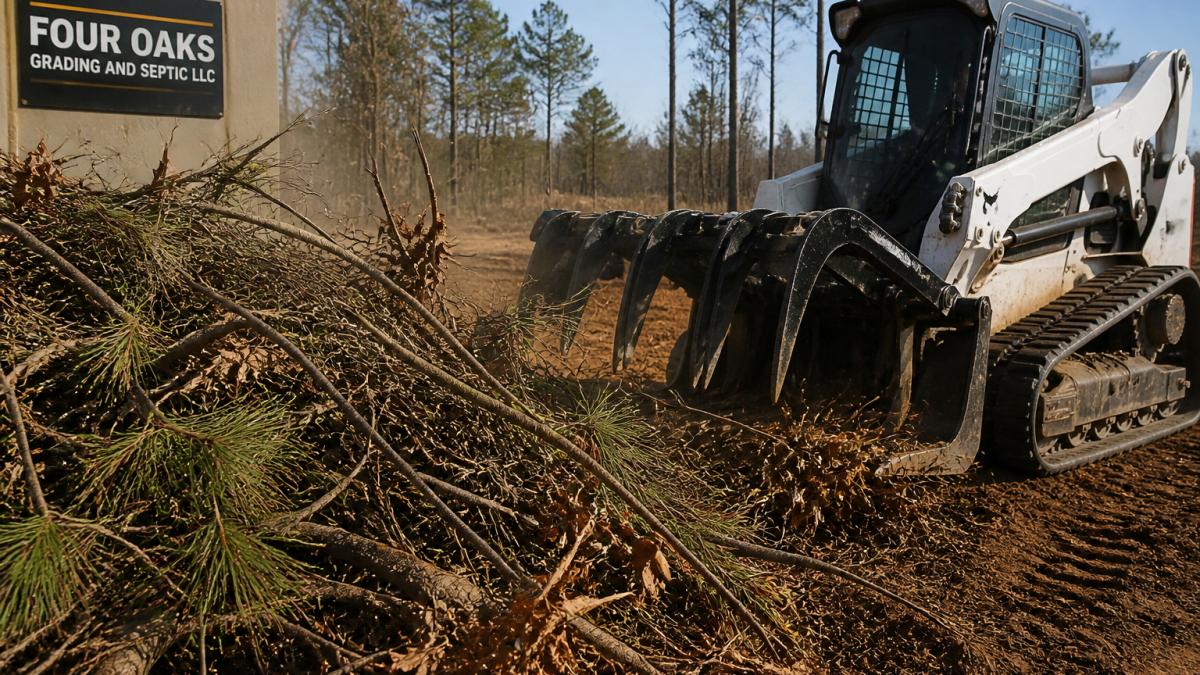
For drainage project information, check out Four Oaks Grading and Septic LLC's drainage solutions in Thomasville, NC.
Creating a Driveway Crown for Drainage
A crown is a slight hump in the middle of your driveway. Water runs off both sides instead of pooling in the center.
How to add crown to an existing driveway:
- Remove the top 2-3 inches of gravel
- Rake the base layer to create a slight hump in the middle
- Add fresh gravel back on top
- Rake smooth and compact with a hand roller or vehicle
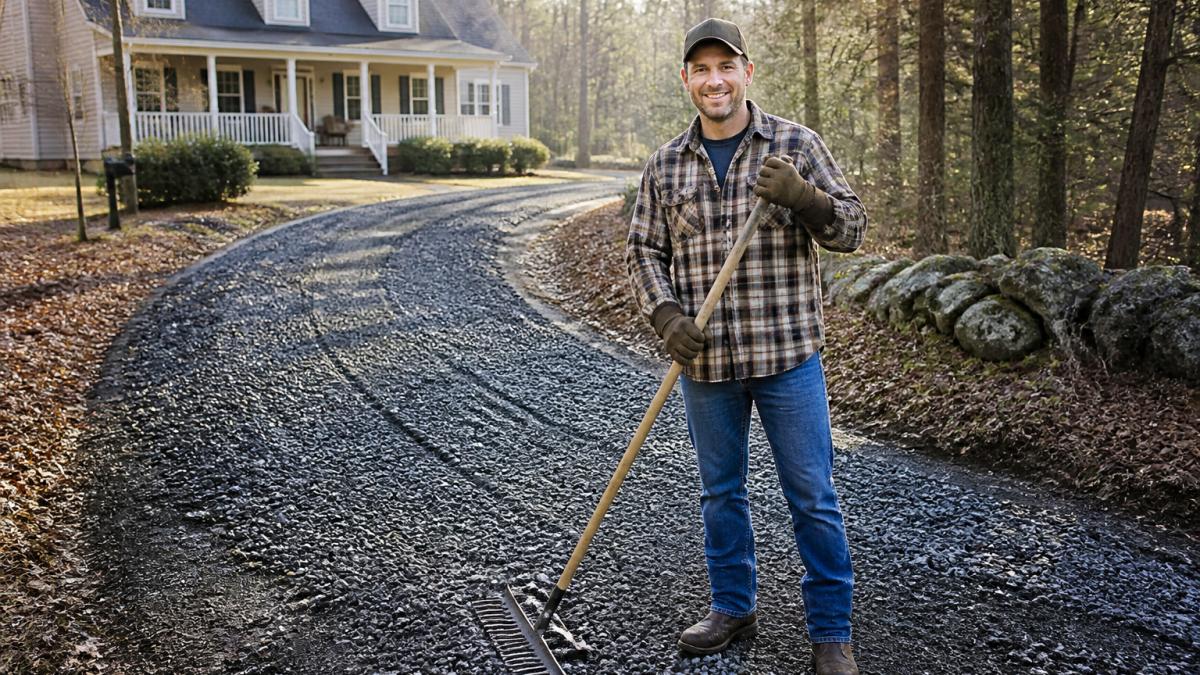
You can do this yourself with basic tools.
Building a Swale for Driveway Drainage
A swale is a shallow ditch that catches water and moves it away. It's wider and shallower than a French drain trench, so water flows across the surface rather than underground.
Get you free estimate today! →
Step 1: Plan the swale (Time: 30 minutes)
Walk your property after rain. Find where water naturally wants to go. Your swale should follow that path. Mark the line with chalk or spray paint.
Step 2: Dig the swale (Time: 4-8 hours, depending on length)
Dig a shallow trench. The bottom should slope downhill. Make the sides slope gently.
Step 3: Grade and compact (Time: 2-3 hours)
Smooth the bottom and sides with a rake. Compact the soil with a hand tamper or walk over it several times. This keeps the swale from collapsing.
Step 4: Optional: Add gravel or landscape fabric (Time: 1-2 hours)
| Drainage Method | Best For | Depth | Cost | Maintenance |
|---|---|---|---|---|
| Crown | Flat driveways | N/A | Low | Yearly re-crowning |
| Swale | Sloped properties | 6-12 inches | Low | Raking after storms |
| French Drain | Poor soil, flat areas | 12-18 inches | Medium | Minimal if installed well |
| Combination | Severe problems | Varies | Higher | Seasonal upkeep |
What You'll Need Before You Start
Before you tackle drainage work, gather your tools and materials. Having everything on hand saves time and frustration.
Basic tools:
- Shovel (square-point for digging, rounded for moving gravel)
- Wheelbarrow
- Level or transit
- Rake
- Hand tamper or compactor
- Measuring tape
- Spray paint or chalk for marking
Materials depend on your method:
For a crown: fresh gravel only.
For a swale: landscape fabric, gravel, and soil.
For a French drain: perforated drain pipe, landscape fabric, and drainage gravel.
Rent or buy?
If your drainage problem is large or your soil is very compacted, professional help makes sense. Request an estimate from Four Oaks Grading and Septic LLC to see what's involved for your property.
Common Mistakes to Avoid
Watch out for these.
Mistake 1: Digging in the wrong direction. Water must flow downhill or it pools. Always check your slope before you dig. A level is worth the investment.
Mistake 2: Making the swale or drain too shallow. A 3-inch-deep swale won't catch much water. Dig at least 6 inches deep for a swale, 12 inches for a French drain.
Mistake 3: Skipping landscape fabric.
Mistake 4: Not compacting the base. Loose soil settles unevenly. Your driveway crown disappears. Your swale flattens. Spend time compacting.
Mistake 5: Installing a drain that doesn't reach far enough. A French drain that ends 10 feet from your driveway just moves the problem downhill. Run it at least 25-50 feet away, or to a natural drainage area.
Mistake 6: Ignoring the gravel itself.
Proper drainage around a gravel driveway takes planning and effort. Start by assessing where water flows and what drainage work may be appropriate.
Frequently Asked Questions
How do you improve drainage around a gravel driveway?
Methods described for improving drainage include creating slope, installing French drains along problem edges, building a crowned center line, and constructing swales to direct runoff. The appropriate approach depends on the property and where water flows.
Why does water pool beside a gravel driveway?
Water can pool beside a gravel driveway when the driveway or surrounding ground does not direct runoff away, or when drainage paths are blocked. Low spots can also collect water.
Will a French drain help with gravel driveway drainage?
A French drain is one drainage method described for moving water underground through perforated pipe and gravel. Whether it suits a property depends on the water's source, slope, and available outlet.
What type of gravel is best for driveway drainage?
Gravel selection depends on the driveway and drainage conditions. Consider the surface, slope, and where runoff needs to go when evaluating options.
Drainage problems don't fix themselves. Standing water damages your driveway and creates safety hazards. Four Oaks Grading and Septic LLC has installed hundreds of drainage systems for homeowners and builders across the region. We handle everything from simple crowning to complex French drain networks. Get started with an estimate and let our team design a drainage solution that fits your property and budget.