 how-to
7 Warning Signs of Septic System Failure to Watch For
Table of Contents
- 7 Warning Signs of Septic System Failure
- Is It a Septic System Backup or Just One Clogged Drain?
- Septic Drain Field Failure Signs You Should Not Ignore
- Causes of Septic System Failure
- Septic System Troubleshooting: What to Check Before You Call
- When to Call a Professional: Safety Triage and Inspection
- Prevention and Maintenance That Extend Your System's Life
- Frequently Asked Questions
Last Updated: October 20, 2026
7 Warning Signs of Septic System Failure
A failing septic system rarely fails without warning. Most homeowners get weeks or months of signals first, and catching them early is the difference between a pump-out and a full drainfield replacement.
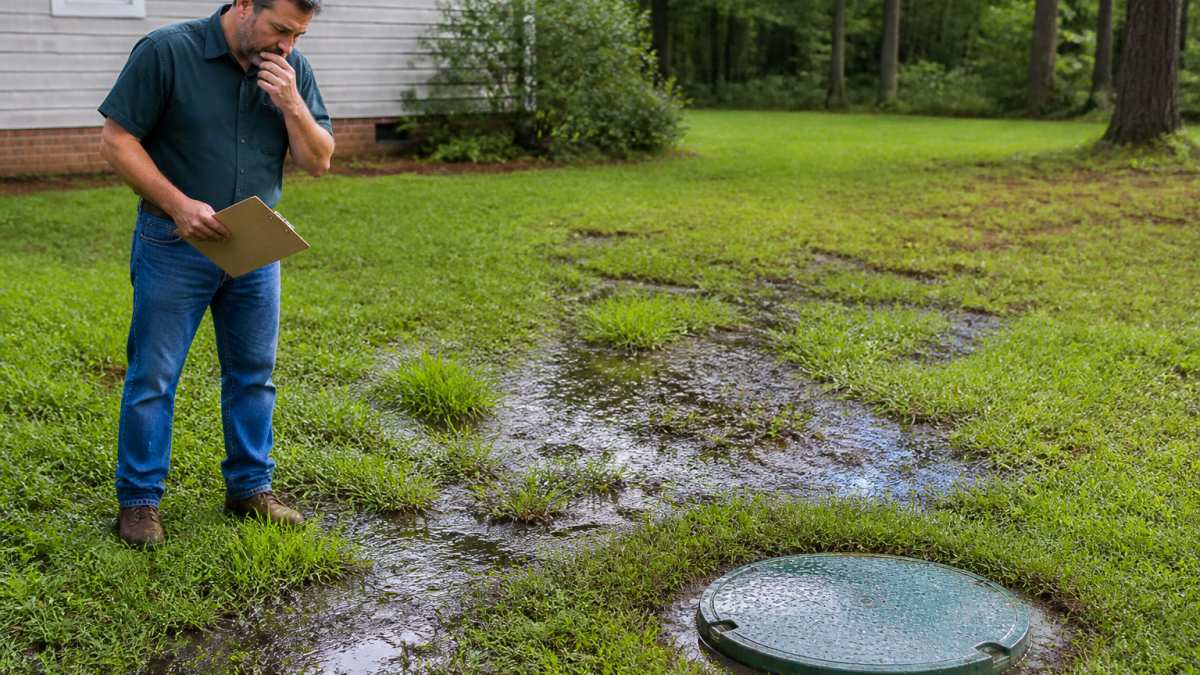
Septic system failure is the point where a tank or drainfield can no longer separate and treat household wastewater, so sewage backs up or surfaces. Here's what to watch for.
Sewage Backing Up Into the Home
The most urgent sign. Wastewater rising in the lowest drains, usually a basement floor drain or first-floor shower, means the system has nowhere to send it. Stop using water immediately and call for help.
Slow Drains in Multiple Fixtures
One slow sink is usually a local clog. Slow drains in the kitchen, bathrooms, and laundry at once point to a system-wide problem.
Foul Odors Indoors and Outdoors
A rotten egg smell near the tank or drainfield is a strong indicator. Indoors, odors often mean a dry trap or vent issue. Outdoors, persistent sewage odors over the drainfield usually mean wastewater is sitting too close to the surface.
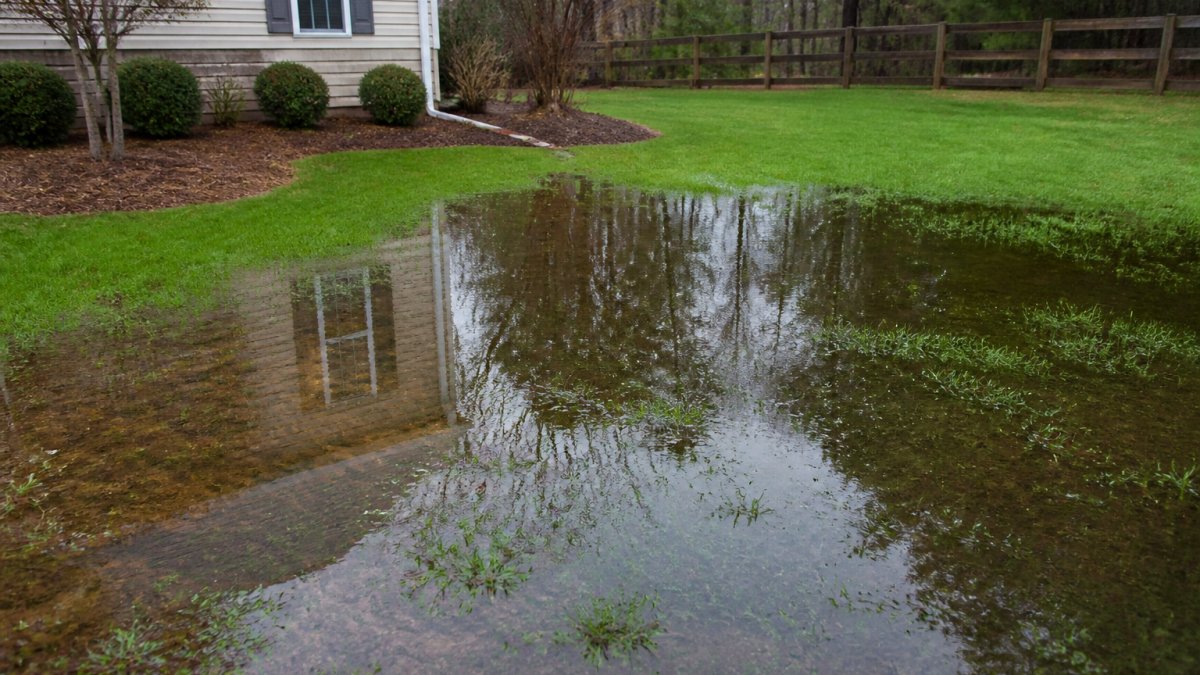
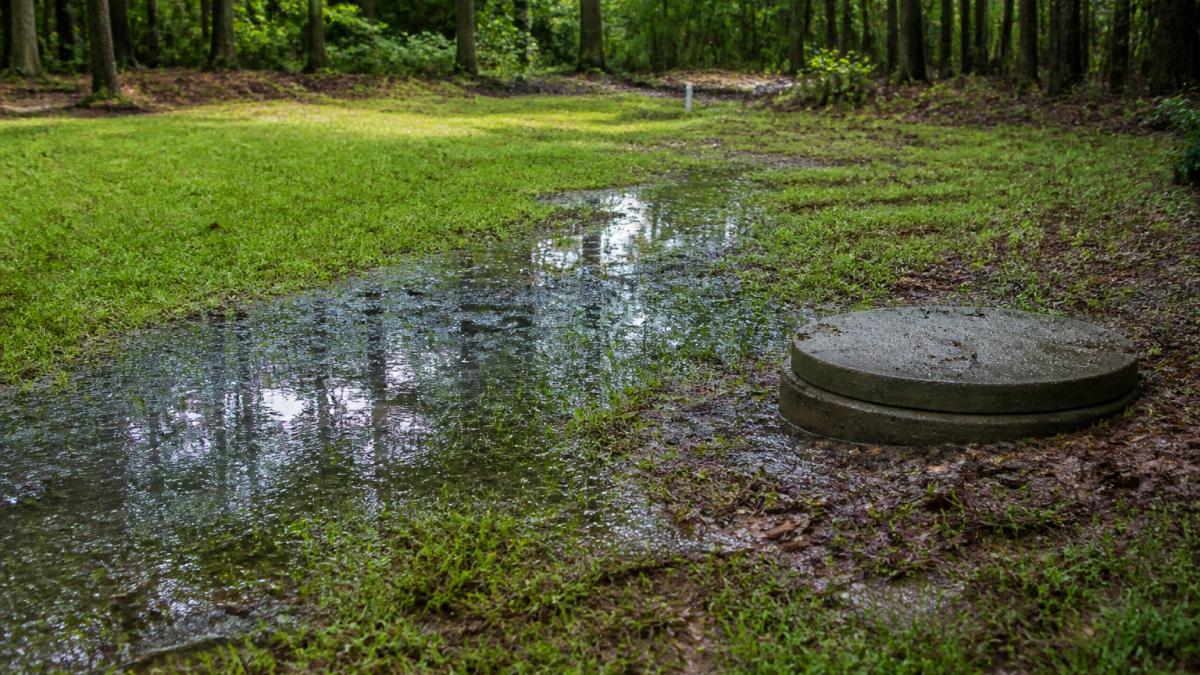
Wet Spots, Soggy Ground, and Standing Water
Soggy ground over the tank or drainfield when it hasn't rained is a red flag. Standing water that never drains points to a saturated drainfield that can't absorb effluent.
Unusually Green Grass Over the Drainfield
Lush green grass in a stripe or patch over the drainfield sounds harmless. It usually means wastewater is pooling just below the surface and feeding the lawn. Pair it with odors or wet spots and you have a real problem.
Gurgling Pipes and Bubbling Sounds
Gurgling in toilets or drains after you run water signals trapped air, often meaning the system vents poorly or the drainfield is struggling to accept flow.
Sewage Surfacing in the Yard
Wastewater pooling above ground is a health and environmental hazard. Keep people and pets away and treat it as an emergency call.
| Warning Sign | What It Usually Means | Urgency |
|---|---|---|
| Backup into the home | System blocked or saturated | Emergency |
| Slow drains in multiple fixtures | System-wide restriction | High |
| Sewage odors outdoors | Wastewater near the surface | High |
| Standing water or soggy ground | Drainfield saturation | High |
| Very green grass over drainfield | Effluent pooling below surface | Moderate |
| Gurgling pipes | Poor venting or drainfield strain | Moderate |
| Sewage surfacing in the yard | Failed system, health risk | Emergency |
Is It a Septic System Backup or Just One Clogged Drain?
A septic system backup affects several fixtures at once, while a single clogged drain is isolated to one sink, toilet, or tub. That's the fastest test, but fixture count alone won't tell you whether the problem is in the building drain, the tank, or the drainfield. Use the sequence below to narrow it down.
Step 1: Count and map the affected fixtures
Walk the house and list every fixture that drains slowly, gurgles, or backs up, noting whether they're on the same floor, opposite ends of the house, or different levels.
- One fixture only: almost always a local clog in the trap, branch arm, or fixture drain. A plunger or a hand auger usually clears it.
- All fixtures on one floor or one side of the house: the blockage is likely in a horizontal branch or the building drain serving that zone, not the septic system itself.
- Fixtures on multiple floors and opposite ends of the house: the restriction is in the main building drain or at the tank inlet. This is system-level until proven otherwise.
Step 2: Run the cross-house flush test
Flush a toilet on the far side of the house from the slow fixture, then run a sink on another branch. If the far toilet gurgles, rises, or drains slowly, the problem is shared, not local. If only the original fixture misbehaves, treat it as a clog.
Step 3: Check the outdoor symptoms
Go outside and look at the tank lid and drainfield area.
- Soggy ground or standing water over the tank or drainfield when it hasn't rained: the system is not accepting flow. This is a system or drainfield problem, not a clog.
- Sewage odor outdoors near the tank or field: wastewater is sitting too close to the surface.
- Unusually green stripe or patch over the drainfield: effluent is pooling below the surface.
Step 4: Rule out the simple causes
Before assuming failure, confirm no one has been running long showers or multiple loads of laundry, that a running toilet isn't dumping water into the system, and that the pump or aerator breaker hasn't tripped. A single high-water event can mimic a failure for a few hours.
What the pattern usually means
| Pattern | Most likely cause | First move |
|---|---|---|
| One fixture, one location | Local clog | Plunge or auger the fixture |
| One floor or one branch | Branch or building drain blockage | Call a drain professional |
| Multiple floors, no outdoor signs | Main line or tank inlet restriction | Stop water use, call for service |
| Multiple fixtures plus wet or odorous yard | Tank full or drainfield saturation | Stop water use, treat as system failure |
| Lowest fixtures only, gurgling | Full tank or blocked inlet | Stop water use, schedule pump-out and inspection |
A common mistake is pouring drain cleaner down a slow sink for a week. If the tank is full or the drainfield is saturated, that chemical does nothing useful and adds load to a struggling system. Worse, caustic cleaners can damage older pipes and disrupt the bacteria the tank depends on.
Septic Drain Field Failure Signs You Should Not Ignore
Septic drain field failure signs show up in the yard more than in the house: soggy ground, standing water, sewage odors, and unusually green grass over the drainfield.
Drainfield failure is often the end result of years of small issues. Fix the load on the system early and you can sometimes extend its life.
Causes of Septic System Failure
The most common causes of septic system failure are straightforward: too much water entering the system at once, solids building up because the tank was never pumped, and damage to the drainfield from vehicles or roots.
- Hydraulic overload: too much water from long showers, laundry, or a running toilet
- Skipped pumping: solids carry into the drainfield and clog it
- Drainfield compaction: vehicles or heavy equipment driven over the field
Septic System Troubleshooting: What to Check Before You Call
Septic system troubleshooting starts with three quick checks: look for a tripped breaker on the pump or aerator, confirm no one has been running water heavily, and check the tank level if you have a riser.
If those check out and the problem persists, stop using water or you risk pushing sewage into the yard.
When to Call a Professional: Safety Triage and Inspection
Call a professional immediately if sewage is backing into the home or surfacing in the yard, those are health hazards, not maintenance items. For slow drains, odors, or soggy spots, schedule an inspection soon. The triage below covers the first hour, what to avoid, and what a proper inspection should include.
Emergency triage: act now
Sewage backing up into the home
- Stop using water. Don't flush, run sinks, shower, or run the laundry.
- Keep children and pets out of the affected area. Raw sewage carries bacteria, viruses, and parasites.
- If the backup is near electrical outlets or appliances, don't touch them. Turn off power at the breaker only if you can do so without wading through water.
Sewage surfacing in the yard
- Keep people and pets away from the wet area. Fence or mark it if you can.
- Don't mow, drive, or walk equipment over the drainfield. Compaction makes a struggling system worse.
- Don't try to pump or dig out the tank yourself. Confined-space hazards and gas exposure are real risks.
Suspected well-water contamination
Visible sewage symptoms don't confirm a private well is contaminated, but they raise the risk. If your well is downhill or within roughly 50 feet of the tank or drainfield, or you notice a change in taste, odor, or clarity, stop using the well for drinking and cooking until you test.
What to avoid while you wait
- Don't pour chemical drain cleaners, bleach, or "septic shock" products into a backed-up system.
- Don't open the tank lid yourself. Gases can be dangerous and the lid can be heavy or brittle.
- Don't pump the tank as a first response to a saturated drainfield. Pumping a full tank into a failed field just refills it.
What a professional inspection actually involves
A qualified inspection is more than a look at the tank. Expect the technician to check:
- Tank level and scum/sludge layers: confirms whether the tank is full, overdue for pumping, or losing solids to the field.
- Baffles and tees: cracked or missing baffles let scum escape into the drainfield.
- Effluent filter: a clogged or missing filter is a common, fixable cause of backups.
Ask for a written report with the tank level, whether pumping is recommended, and the drainfield's condition. That report lets you compare repair quotes fairly.
The U.S. Environmental Protection Agency's septic system guidance recommends regular inspection and pumping to keep systems working, and many local health departments maintain lists of licensed inspectors and pumpers.
Repair options you may be quoted
- Pump-out: the first step when the tank is full, but not a fix for a failed drainfield.
- Baffle or filter replacement: relatively minor and often resolves recurring backups.
- Distribution box or lateral repair: targeted fixes when flow is uneven.
Four Oaks Grading and Septic LLC handles septic system setup and maintenance across the area, as well as grading and drainage work that keeps water away from your system.
Prevention and Maintenance That Extend Your System's Life
Prevention comes down to three habits: pump the tank on a regular schedule, spread out water use, and keep heavy things off the drainfield. The U.S. Department of Agriculture's guidance on household wastewater backs regular maintenance as the best protection for a system.
- Pump the tank every few years based on household size and use
- Fix leaky toilets and faucets quickly
- Don't drive or park over the drainfield
If you're on a private well, have the water tested after any backup. Wastewater near a well can affect water quality, and testing confirms it's safe.
Frequently Asked Questions
What are the first signs of septic system failure?
The earliest signs usually show up inside the house: slow drains in multiple fixtures, gurgling pipes after you flush, and a faint sewage smell near bathrooms or the yard. Outside, watch for soggy ground or unusually green grass over the drainfield. Catching these early signs of septic system failure gives you time to schedule an inspection before wastewater backs up into the home or surfaces in the yard.
Can a failed septic system be fixed?
In many cases, yes. A septic system backup caused by a clogged pipe or a full tank can often be resolved with pumping and repair. Drain field failure is harder: saturated or clogged soil may need rest, aeration, or replacement of part of the leach field. A professional assessment identifies whether the problem is a simple fix or a larger repair. Get an inspection and an estimate before approving work.
How can I tell if my septic drain field is failing?
Septic drain field failure signs include standing water or soggy spots over the leach field, sewage odors outside, unusually lush green stripes of grass, and slow drains that persist after pumping. If wastewater is surfacing, stop using water immediately and keep people and pets away. A professional can inspect the drainfield, check for saturation, and confirm whether the field needs repair or replacement.
What should I do if I suspect my septic system is failing?
Reduce water use right away: limit laundry, short showers, and avoid running the dishwasher. Do not pour chemical drain cleaners into the system. Check for a single clogged drain first, then look for signs of a system-wide problem like multiple slow fixtures or odors. If symptoms point to septic system failure, call a licensed septic professional for an inspection before the problem spreads to groundwater or nearby wells.
A failing septic system is stressful, but the signs are usually clear before it gets serious. If you're seeing backups, odors, or soggy ground, don't wait. Four Oaks Grading and Septic LLC offers dependable septic system setup and maintenance, plus the grading and drainage work that protects your system long term. Get an estimate and we'll help you sort out what's wrong and what it takes to fix it.