 how-to
How to Clear Dense Brush: 7 Steps That Work
Last Updated: November 1, 2026
Quick Summary
To clear dense brush safely, first assess the site and mark the clearing area, then gather the right tools such as a brush cutter, loppers and a chainsaw for trained operators. Choose hand cutting, machine clearing or forestry mulching based on the lot size, cut the smallest growth first and work toward larger stems, then plan how to dispose of the debris.
- Walk the property first and note thick brush, trees to keep, wet ground and buried utilities.
- Wear heavy gloves, eye protection and hearing protection on every job.
- Hand cutting suits small areas, while machines handle mid-size jobs and forestry mulching handles dense growth.
- Cut the smallest growth first, then larger stems and small trees, working from one edge toward the other.
- Check local burn rules with your county fire or forestry office before lighting any debris pile.
Table of Contents
- Assess the Site Before You Cut Anything
- Gather the Right Tools for Clearing Brush
- Choose a Clearing Method: Hand Cutting, Machines or Forestry Mulching
- Clear the Brush Step by Step
- Dispose of Cut Brush and Yard Debris Properly
- Understanding Brush Clearing Costs
- Booking a Crew to Finish Your Lot
- Frequently Asked Questions
Clearing dense brush is one of the hardest jobs on a rural or overgrown lot, and it is also one of the easiest to get wrong, so a clear plan matters from the start. Four Oaks Grading and Septic LLC works on land clearing and brush removal in Thomasville, NC. The steps below outline a general approach to planning a dense-brush job. Follow them in order to help plan the work and keep the site easier to build on or maintain.
Assess the Site Before You Cut Anything
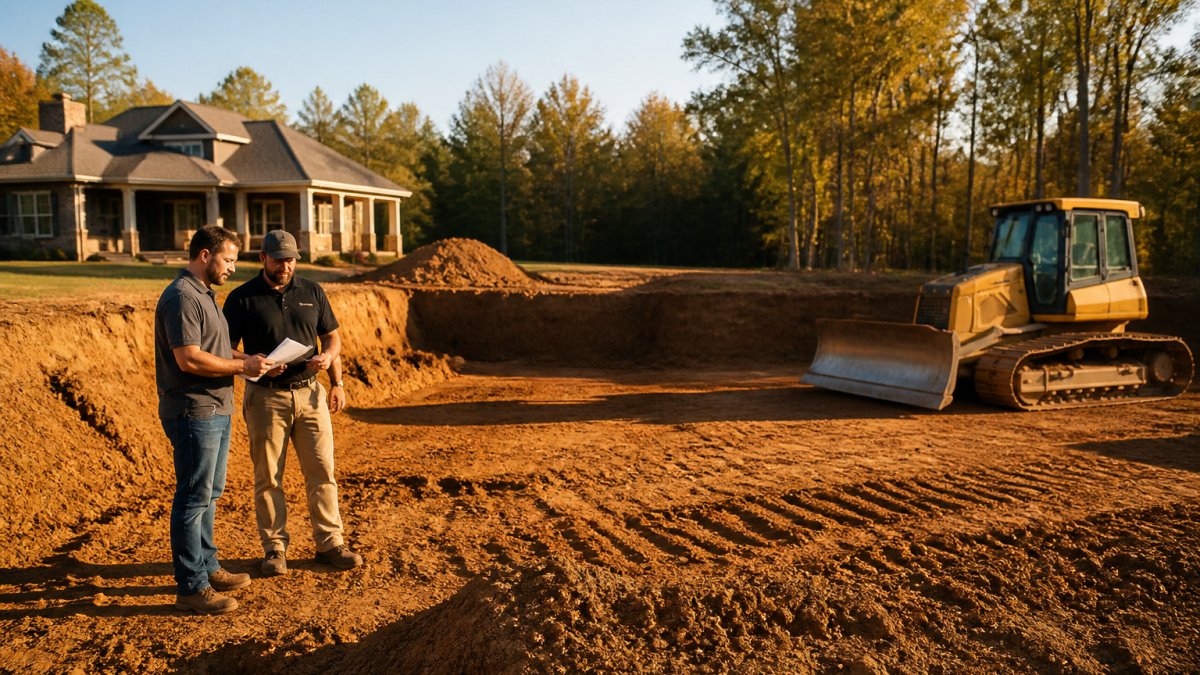
Walk the whole property before you start. Note where the brush is thickest, where you want trees to stay, and where the ground drops or stays wet. Look for buried utilities, septic lines, wells and property boundaries.
Snap photos from several angles. They help you track progress and show a contractor exactly what you need.
Mark the area you plan to clear with flags or spray paint. A clear plan keeps the job from spreading past its limits.
Gather the Right Tools for Clearing Brush
Dense brush calls for more than a hand saw. Most jobs need:
- Brush cutter or clearing saw for thick stems and small trees
- Loppers and pruning saw for detail work near trunks you want to keep
- Chainsaw for trees too large for hand tools, used only by trained operators
- Heavy gloves, eye protection and hearing protection on every job
- Chaps, a hard hat and steel-toe boots when working with power equipment
Check every tool before you start. Dull blades and loose parts cause most avoidable injuries.
Choose a Clearing Method: Hand Cutting, Machines or Forestry Mulching
There are three common approaches, and each suits different conditions.
- Hand cutting works for small areas and light brush. It is slow but cheap and precise.
- Machine clearing with a skid steer or brush cutter handles mid-size jobs well. It cuts fast and leaves a clean surface.
- Forestry mulching grinds brush and small trees into mulch in place. It works well on dense growth and leaves the ground covered.
A common mistake is choosing hand cutting for a lot that really needs machines. Small-area jobs can stay manual. Anything thicker than a few acres usually needs equipment.
When Forestry Mulching Makes Sense in Thomasville, NC
Forestry mulching suits tangled growth that is hard to clear by hand. Ask your contractor whether the method fits your lot before booking.
Clear the Brush Step by Step
Work in a clear sequence to stay safe and efficient:
Get you free estimate today! →
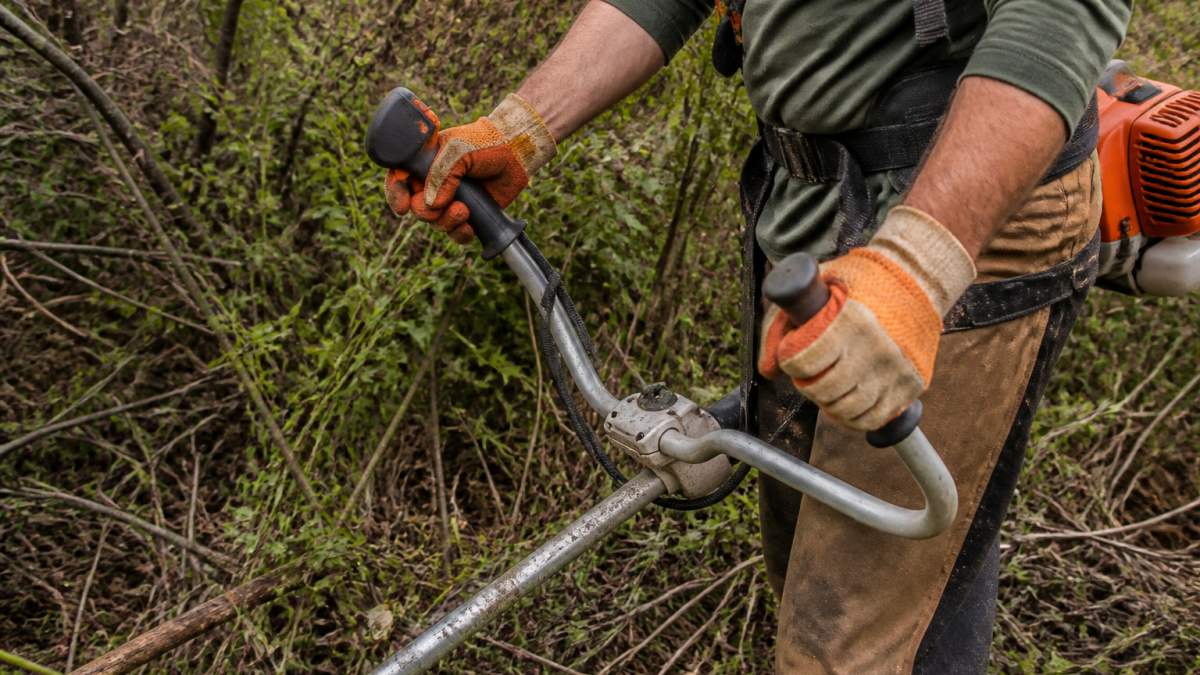
- Cut the smallest growth first to open access and sight lines.
- Remove larger stems and small trees working from one edge toward the other.
- Cut trees at ground level and leave stumps as low as you can.
- Clear the debris pile line as you go so you do not trip or lose footing.
- Inspect the cleared ground for remaining roots, rocks or hazards.
Keep a clear escape path behind you at all times. Never work alone on steep ground or near a tree that is leaning.
The article lays out the clearing sequence in five steps, summarised below.
| Step | What to do | Note |
|---|---|---|
| 1 | Cut the smallest growth first | Opens access and sight lines |
| 2 | Remove larger stems and small trees | Work from one edge toward the other |
| 3 | Cut trees at ground level | Leave stumps as low as you can |
| 4 | Clear the debris pile line as you go | Prevents tripping and lost footing |
| 5 | Inspect the cleared ground | Check for roots, rocks or hazards |
Dispose of Cut Brush and Yard Debris Properly
Cut brush needs a plan before the work begins. Common options include:
- Burn piles, only where local rules allow and with a permit if required
- Chipping or mulching on site for ground cover
- Hauling to a transfer station or landfill, often the simplest choice for large volumes
- Renting a dumpster for a big clearing project
Check local burn rules with your county fire or forestry office before lighting anything. Keep pile sizes manageable and stay with any fire until it is fully out.
Understanding Brush Clearing Costs
Costs vary widely with how dense the growth is and how you clear it. Read what brush removal services include to see how pricing works. Costs vary with how dense the growth is, the terrain and the clearing method. Pricing depends on your lot, your access and the method chosen. For current prices or a quote for your property, visit the Four Oaks Grading and Septic LLC website.
Booking a Crew to Finish Your Lot
If the job is too large or risky to do yourself, hire a crew. Before you book, map the clearing area and ask for written estimates from at least three contractors using the same plan. Confirm what is included, such as debris removal, stump handling and cleanup.
Ask each contractor for proof of insurance and references you can call. A reliable crew will explain the method, the timeline and the cleanup in writing. Four Oaks Grading and Septic LLC provides land clearing and brush removal in Thomasville, NC, so reach out to talk through your project.
Frequently Asked Questions
What is the best way to clear dense brush?
The best method depends on stem size, terrain and how much ground you need to open. Hand tools work for small, scattered patches. Brush cutters or skid steers handle thicker growth faster. Forestry mulchers grind brush and small trees into mulch in one pass, which suits large, dense lots. Match the method to the vegetation, and wear the protective gear your method requires before you start.
How much does it cost to clear brush in Thomasville, NC?
Pricing depends on vegetation density, site access, debris removal and timeline. For current prices or a site-specific quote, visit the Four Oaks Grading and Septic LLC website.
Can forestry mulching clear dense brush?
Yes. Forestry mulching uses a mulching head on a tracked machine to grind brush and small trees into mulch on site. A site assessment will show whether it fits your property.
What should you do with brush after clearing it?
Options include chipping branches into mulch for garden beds, stacking large logs for firewood, or hauling debris to a local transfer station or yard waste facility. Check with your county about burning rules and disposal sites before you start. Piling brush near structures or property lines creates risk, so keep debris away from buildings and septic drain fields.